How God Led A Couple Into The Mission Field

(From Colombia to Ecuador to Kosovo and finally to Russia)

If we could summarize our overall experience about the “call into the misión field”, we could say it in this way: it has been a process of telling God that we are willing for what He has arranged for us, without limits or conditions, that his will is all we want for our lives and family, there is nothing better than that. 

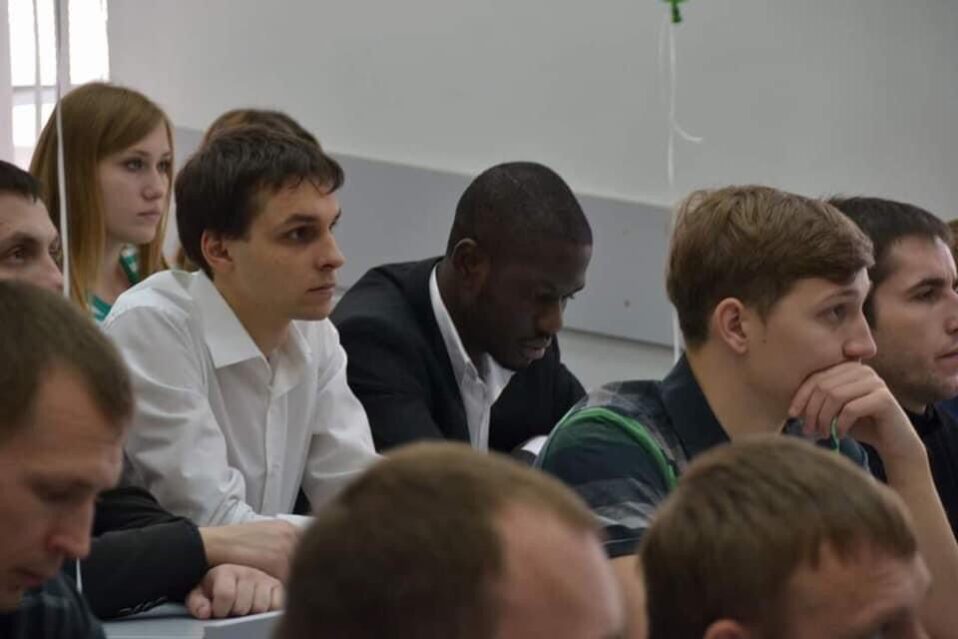
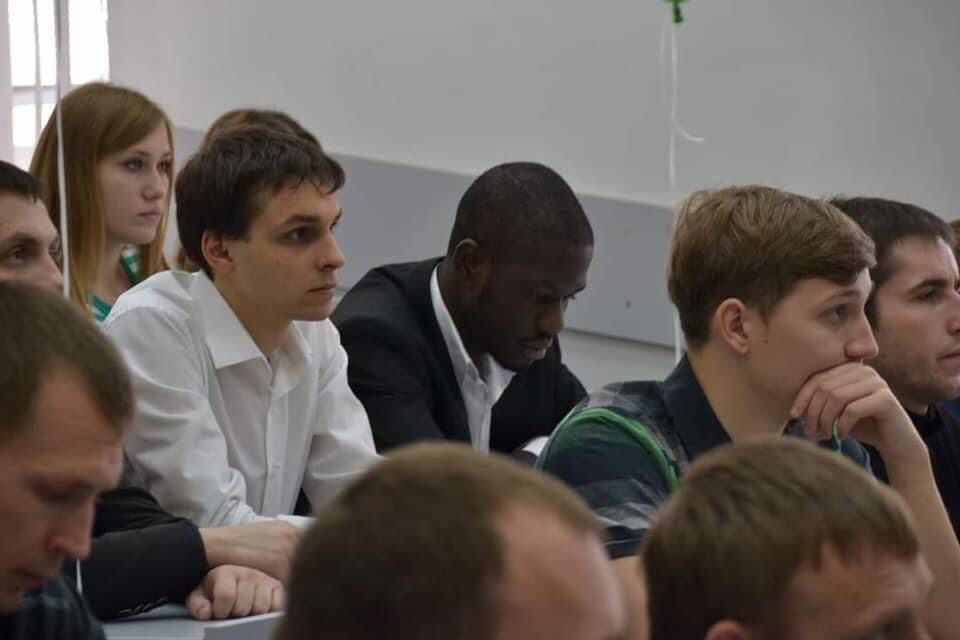
So, He spoke to us when I was 16 years old and told me (wife) about his plans for me in a place where they didn’t know him and where they would be in conflict or post-conflict, I was in Colombia at that time; 12 years later, when I had experienced many processes of transformation in my character, of preparation in the service and with a professional career, in addition to being married, he took us to Kosovo, there, he transformed us and took us to know him, to see Him there in a different way, because we didn’t take him with us, he took us to where he was already, our job was to discover him and join what he was already doing there.

That same year, 2010, He laid i on our heart to pray for a region in the North of the Caucasus (Russia), but in prayer he requested us to give from the resources he has already given to us for what He was doing there, in the North Caucasus,  and then led us to walk on the land we had so much prayed, only moved by His compassion and love for a tremendous need for “voices to prepare hearts”, and it was in a year of prayer for direction before ending our second period of service in Kosovo and after having completed 6 years of service, then He changed our journey and told us: “now I have prepared you to go to a denser place, where I have big plans and I am doing great things, I want you to join me there.

So, it was after we had finished a 7 and half years of service in Kosovo, a very arid desert, when facing a left eye cancer in our only daughter, of 15 months back then, and needing a year and a half to leave the desert in victory with the life, the eye and the wonderful health of our little one, and having equipped more than 70 congregations that walk with us to make our stay in this region possible, then we arrived to the promised land, to live with Him on a new adventure. His call has not been something unexpected for us, it has been a process of following him one step at a time, of learning to make mistakes and depending on him and his grace, the best decision is to dispose and obey him, is to desire to be where He is and His invitation to be with Him !!!

Read more

Should you quit your career for missions?

For many years, most missionaries have received financial assistance through sending organizations, churches, friends and other believers. Another mode for acquiring financial resources while on mission is tentmaking, a nomenclature from the apostle Paul’s story.

“There [Paul] met a Jew named Aquila, a native of Pontus, who had recently come from Italy with his wife Priscilla… and because he was a tentmaker as they were, he stayed and worked with them,” Acts 18:2-3.

In addition to being a student of the Law and Prophets, Paul had a career in making tents. In Corinth, he worked alongside Priscilla and Aquila for a period of time while spending every Sabbath day declaring the gospel to Jews and Gentiles.

In contemporary missions, tentmaking is continuing one’s career in the host country instead of relying completely on financial support from sending partners. One type of tentmaking is Business as Mission (BAM), or starting and running a business in the community in which a person is actively sharing the gospel. This model is particularly strategic in areas where community development complements the message of the gospel well. Other examples of tentmaking could include medical missions, teaching in a school while sharing the gospel, or running a computer training school at night and sharing Bible stories during the day. Holding any job that pays the bills while also sharing the gospel would be considered tentmaking.

In creative-access countries, tentmaking is one of the few ways to minister in a community. If a country will not allow missionaries, but they do allow business owners, the Business as Missions model may be a way to share the gospel in that context.

Even if missionaries may be legally allowed to enter a country without a worker’s visa, a secular job can have many benefits. Traditionally-funded missionaries sometimes struggle to develop an identity in the host community without a clearly defined role associated with a job. Some people can even become suspicious of the missionary because they see them spending money and living in a nice house without evidence of employment. Tentmakers automatically have an identity because they have a similar job and lifestyle as those whom they work alongside.

Globalization and advances in technology and connectivity have opened more opportunities for tentmaking. In places with sufficient digital infrastructure, a long-distance job like freelance graphic design or contract engineering can be accepted by the host community as legitimate employment as long as the missionary’s location and lifestyle choices are also plausible.

There are times when tentmaking is not primarily motivated by financial necessity. If God calls a person to tentmaking, perhaps it is because God has a specific purpose for the person’s work. In Thessalonica, Paul experienced another season of manual labor because he wanted to exemplify a strong work ethic to the new believers and wanted not to be a burden to them. His example also served as a defense against those who began leading the church astray through false teaching and financial exploitation in his absence. 

Alternatively, God may want the missionary to practice tentmaking to utilize their skills or business as part of restoring a community by providing jobs, helpful services, or an alternative example. He may want the missionary to build relationships with their boss or fellow workers, or He may want to use the believer as an example of giving sacrificially despite low wages. Perhaps we will not understand the multidimensional impact God intends to make through a missionary’s presence until Jesus’ return.

In light of this, should all missionaries stop receiving financial support and become tentmakers? As Paul would say, “by no means!” 

Tentmaking has downsides just like any other missional strategy. Traditional financial support of God’s mission in the world is a true and blessed calling for the body of Christ. We do not want to rob the global church of the opportunity to engage in God’s mission through financial resources. Another downside to tentmaking is the consumption of time and energy. Working a full-time job leaves the missionary with less personal capacity for sharing the gospel than raising full financial support does. We see this in the continuation of Paul’s story in Corinth after working alongside Priscilla and Aquila:

“But when Silas and Timothy came down from Macedonia, Paul began devoting himself completely to the word, solemnly testifying to the Jews that Jesus was the Christ.” Acts 18:5

Tentmaking lasted for certain seasons for Paul. At other times, God led him to rely on financial support from other churches and friends while devoting himself fully to preaching the gospel.

We live in an exciting time filled with many different opportunities to “go into all the world and preach the gospel to all creation,” (Mark 16:15). 

How might God be asking you to utilize your career as you participate in fulfilling the Great Commission? Lets hear from you.

Read more

Afcon: An Opportunity For Missionaries To Cross-Culture With The Gospel

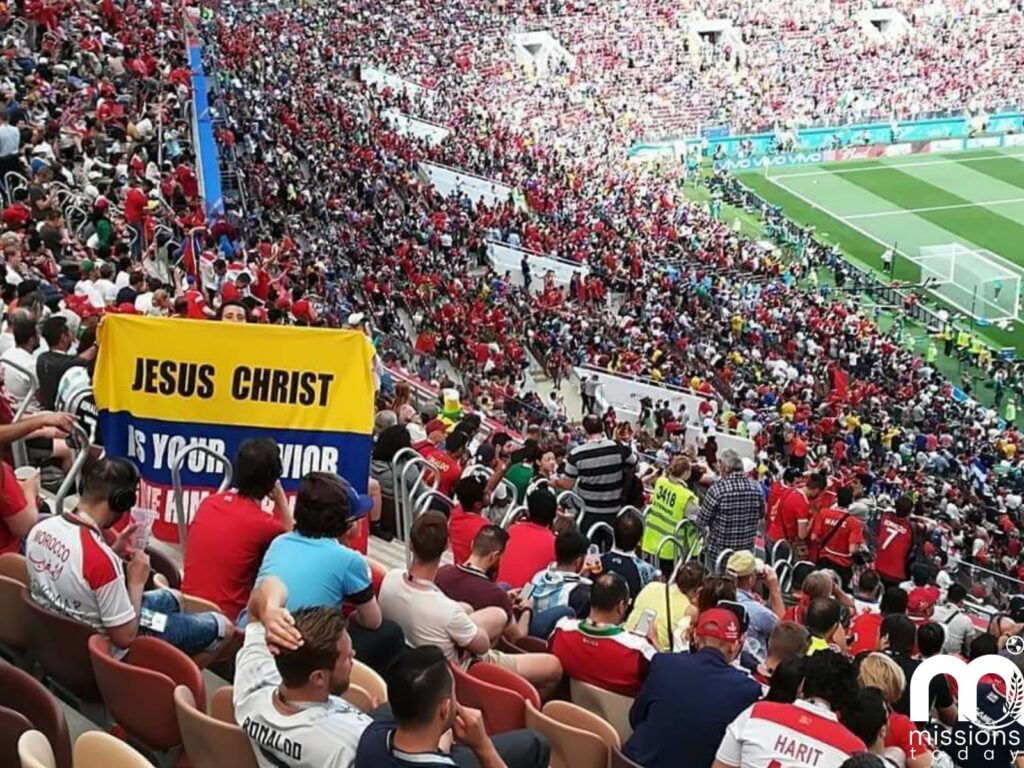
In my view as a missionary, I am always looking for an opportunity to preach Christ in nations. You may call me an opportunist but that’s good for the kingdom of God to break other grounds. This year’s AFCON happens to be held in Cameroon. A strategic event where thousands and millions are gathering in a nation. It’s an opportunity for missionaries to travel from different spots to cross the Cameroonian border to share the love of Christ with other nationalities. Missionaries within the nation of Cameroon can also take advantage and host some of them to manifest Christ. This door opened is for Christ to be manifested through football events. I understand someone is finding it a bit difficult to understand the “HOWS”. Anyway during the world cup in Russia 2018, missionaries from south America went purposely to preach Christ on a land where evangelism is banned. Very strategic and it worked!!

Language of the competition

Firstly get a fair knowledge of the nations and languages that will dominate the competition. English, French, Arabic might be the dominant language spoken in Africa officially. Football has its own unique language that attracts and unites all kinds of people together. Understand the language of the game as a missionary. 

Be neutral in the stadium 

Be a unifier and a representative of Christ in the stadium during football matches. This can be demonstrated in the attire you wear and the kind of national flag you are holding. If possible both national flags of the teams that are playing. This will even catch the attention of fans to know who you are. Making friends through that and share a simple message with them 

Be prepared at all times 

Be prepared to share the gospel with flyers, souvenirs, banners in different languages at strategic points. See yourself as Billy Graham holding a meeting in a stadium, preaching to multitudes of people. This AFCON will seat more than a hundred thousand in a stadium and viewers on TV Stations across the continent and beyond. 

To avoid any form religious bully, it’s always advisable to go in groups or a team of more than 10 missionaries at a spot. Believe that the Holy Spirit will bring nations to the light of the gospel as you share the love of God with others.

Read more

Should You Quit Your Education And Go To The Mission Field??

Would you please advise him? He wants to make disciples in that country and is ready to drop out of university to do it.”

Those were the words shared by a concerned family member with a missionary over lunch. Her relative sensed the Spirit’s leading to the Middle East and was ready to quit university so he could plant churches. He heard the call and was ready to go. But was education a barrier to his future Kingdom labors? He thought so.


Does Jesus call some to forsake college and go to the nations? Yes, but in our experience as missionaries this calling is not for the majority. A call to go is a call to prepare. And college is one of the best training grounds to gain experience in cross-cultural disciple making, church planting, language learning, and cultural acquisition as you work toward that undergraduate degree.

Here are some practical things to consider.

Take It, If College Is an Option

The overwhelming majority of the world’s population will never attend college. To do so makes one among the most educated people in the world. A college education for the Kingdom citizen is a great trust. It is more than just a diploma. College teaches you how to think, interact, and process God’s world around you (Psalm 111:2)—skills needed for cross-cultural disciple making. College helps you to understand yourself as a person and others who are different from you. It is a time to prepare for your career.

Prepare for More Open Doors

Education is a powerful thing. We must be wise stewards with it. Yes, some of the Twelve were ordinary, uneducated men who had been with Jesus (Acts 4:13), but the apostle Paul was educated (Acts 22:3) and had been with Jesus too (Acts 9:5-6). Opportunities were apparently opened for Paul to share the gospel simply because he was an educated man. He knew how to speak properly to the public (Acts 21:40; 26:1), and he knew how to speak to common people. It is generally easier for the educated to gain a hearing from people across classes but more difficult for the uneducated to speak to the educated and elite.

In our post-modern era, there are certain nations where missionary visas are not issued. However student or working visas are given to most Christians who are field workers. God can use your university degree and skills acquired to open doors to the unreached.

Reach the Peoples on Your Campus

Don’t wait until graduation day to begin carrying out your calling. Don’t say, “I am hoping to one day go to the nations.” Go to them now! For example, connect with Chinese students on campus. Begin learning conversational Mandarin. Befriend Saudi Arabian classmates. Teach them English. Learn Arabic and culture from them. Share the gospel. Teach new believers how to obey Jesus in small groups. Send them to the nations. Lead groups to covenant together as local churches. Raise up leaders. Such activities will both allow for the gospel to spread among the unreached now and make you a better missionary candidate later.

Choose Your Major Prayerfully and Wisely

Selecting a major is one of the most important decisions you will make. Much prayer should be given to this decision. Your major will likely set the course of your vocational direction for decades to follow.

Churches should be proactive and assist their members with vocational guidance. It is sad, but few do. Students often base degree selection on secular guidance counselors, family tradition, or hobbies and general interests. While none of these guides are necessarily bad, they often fail to consider the mind of Christ and the advancement of His Kingdom.

Also, hobbies and interests are great and should be used for making disciples and possible vocational direction. However, the wise Kingdom steward takes into consideration the marketability of a degree. This does not mean that you have to pursue a career that makes yourself miserable or study and work outside of your passions, gifts, and talents. It simply means that all degrees are not of equal value and worth in the marketplace.

For example, certain degrees and vocational choices can significantly limit where you may go in the world and serve. Few job options and little income will make paying off educational debt a challenge. Some jobs are limited to certain regions of the United States and Canada and will keep you within North America. A good question to ask when selecting a major is: Where do the global marketplace needs overlap with my passions/interests/gifts/abilities and with the greatest needs for disciple making and church planting among unreached people groups— throughout the world?

Be Faithful with the Time

“But we are not promised tomorrow, Jesus could return. I don’t have time to go to college.” While the theology of the imminent return of our Lord is correct in this statement, the truth is that Jesus could return 6000 years from now. College is not a waste of time for the Kingdom citizen; it is an opportunity to both make disciples and plant churches now, and prepare for the future (James 4:13-15). Much can be gained for the Kingdom, both for now and later, through a college education. If Jesus has called you to avoid or quit college, then you are to obey. It would be sinful to do otherwise. However, if the opportunity is available, go to school, reach the nations on campus, graduate, and then reach the nations wherever the Spirit leads you with your degree and the ministry experience obtained as a student.

21st century missions goes beyond the preaching of the Word

Ask yourself what skills and knowledge have you acquired for the mission? Aside the knowledge of the gospel of christ, we need relevant skills and knowledge that are needed in the host nations. This would pave way and give a major breakthroughs. Certain areas need English teachers, medical professionals, IT Specialists and many others. These skills are acquired at the universities.

Read more

The role a Missionary’s wife can play on the missions field in fulfilling the Great Commission

God is using His children in different ways to fulfill His purpose on earth. But its unfortunate we sometimes choose how God should use us. The traditional means of preaching to save the lost is over. What we need to do as missionaries is to allow the Holy Spirit to touch lives through us. The Lord may use your workplace, your designs, blogging, cooking and many ways to fulfill His plan. As a missionary sent by God to the nations, don’t force your spouse into a preaching ministry. Your spouse needs to know the word of God but not necessarily in an open ministry of preaching of the word. Why am I saying that?

  1. Understand that not all missionary’s wives are preachers. We have different callings and gifts. And missions is not just preaching of the word. It encompasses all facets of life in order for the mission to be accomplished. 
  2. Some wives are gifted in children and youth ministry. As we are sent to the unreached groups around the nations, children and the youth are vital instruments in global missions. It takes a heart of a mother to work with children and young people. If your wife is blessed with this ministry, encourage her to reach out to the children and the youth. Through this special ministry, their parents too can be reached out. Playing with the kids, having speaking clubs with the youth, movie nights and many other fun activities will draw their hearts to the missionaries and to God.
  3. Most wives are good counselors. The counselling ministry helps in areas where people are addicted and needs deliverance. Marriage and other life issues. Mothers have special skills and time in counselling people. 
  4. Some wives are also gifted in music and worship.
  5. Most wives are gifted in cooking and can set up restaurant to support the missions financially. Its amazing that many people hang out in restaurants and cafes. Missionaries can create an opportunity to reach out to the customers. Nice treatment, flyers distribution, making friends with the host are strategies for soulwinning 
  6. Some missionary wives are gifted in event planning and interior decorations
  7. Some have knowledge in medicine and health. Medical missions is a cutting edge to reach the unreached. If your wife is a medical practitioner, there is no need for her to quit and go into preaching. This knowledge can help the mission to be successful and show love to others.

We should be flexible before God for Him to use us on the field.

Read more

Christian Nurse fired for wearing cross necklace wins discrimination case

An attack on my faith
An employment tribunal in the United Kingdom ruled Wednesday that the NHS Trust harassed and directly discriminated against a Christian nurse for wearing a cross necklace at work.

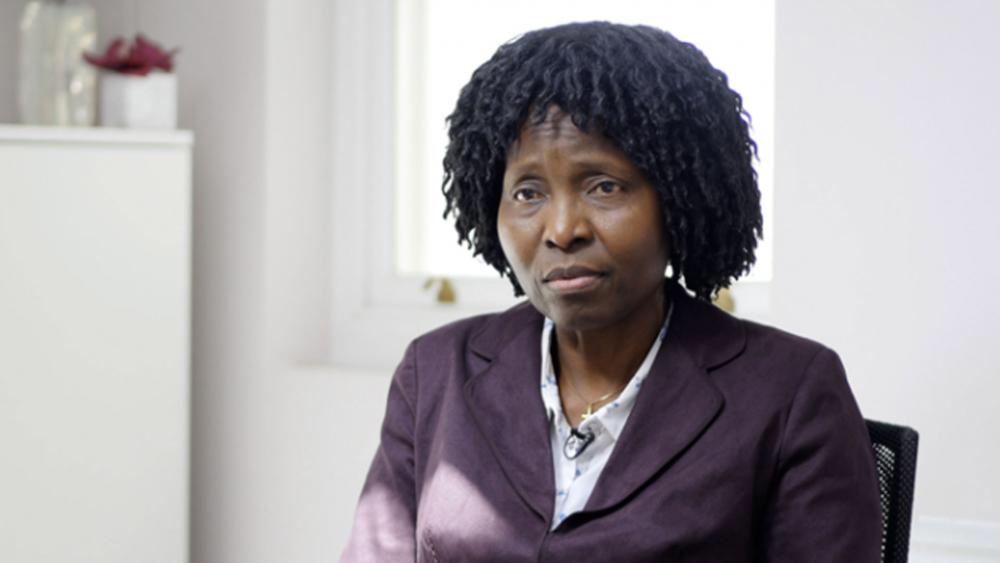
Represented by attorneys with the Christian Legal Centre, a legal ministry of the watchdog group Christian Concern, Mary Onuoha, was told by the tribunal that she had been victimized by Croydon Health Services NHS Trust. 

As CBN News reported, Onuoha sued her former employer in October, alleging she was intimidated and forced out of her job because she wore a cross necklace. 

Onuoha, 61, had been a member of the hospital’s staff for 18 years. She said she wore the cross for 40 years to represent her deep Christian faith. 

Six years ago, Onuoha said she was told by her managers to remove the cross or face disciplinary action. She was told it was a health and safety risk and “must not be visible.” Yet other clinical staff members at the hospital were permitted to wear jewelry, saris, turbans, and hijabs without being asked to remove them. 

Only the cross and its owner were subject to being penalized, she claimed. 

The issue escalated in August 2018 when her bosses at the hospital ordered her to remove the cross saying it was a breach of the Trust’s Dress Code and Uniform Policy and therefore a health risk to her and to patients.

After her refusal to comply, she was investigated, suspended from clinical duties, and demoted to working as a receptionist. 

Until her resignation in August 2020, Onuoha was constantly moved from one administrative role to the next, which she found deeply humiliating. She was also put under pressure and ordered not to tell anyone about what was happening to her. As she was unable to explain to any colleagues why this was happening, it took a lasting emotional toll on her.

“This has always been an attack on my faith,” Onuoha said. “My cross has been with me for 40 years. It is part of me, and my faith, and it has never caused anyone any harm. All I have ever wanted is to be a nurse and to be true to my faith.”

“I am a strong woman, but I have been treated like a criminal,” she continued.”I love my job, but I am not prepared to compromise my faith for it, and neither should other Christian NHS staff in this country.”

In Wednesday’s ruling, the tribunal agreed with Onuoha, ruling the NHS Trust breached Onuoha’s human rights and created a “humiliating, hostile and threatening environment” for her. 

SOURCE: CBN NEWS

Read more

6 Christians brutally murdered in Kenya during a terrorist attack

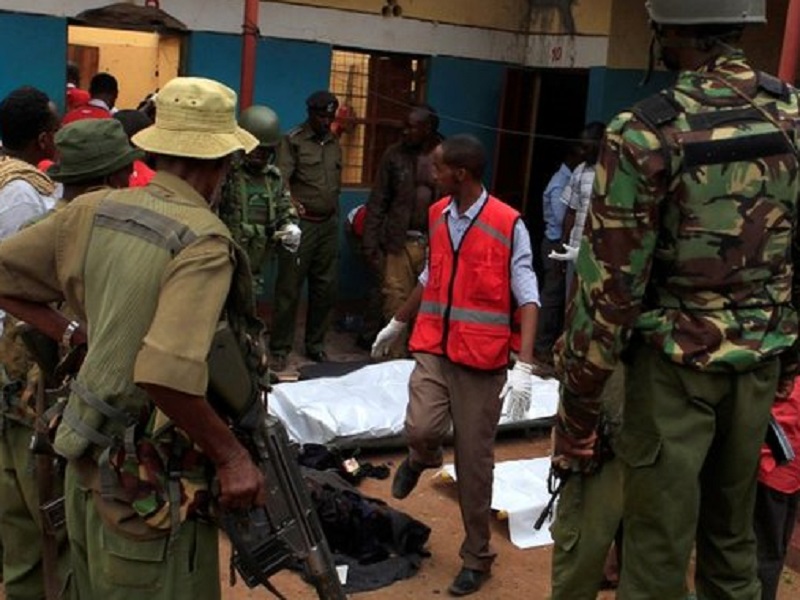
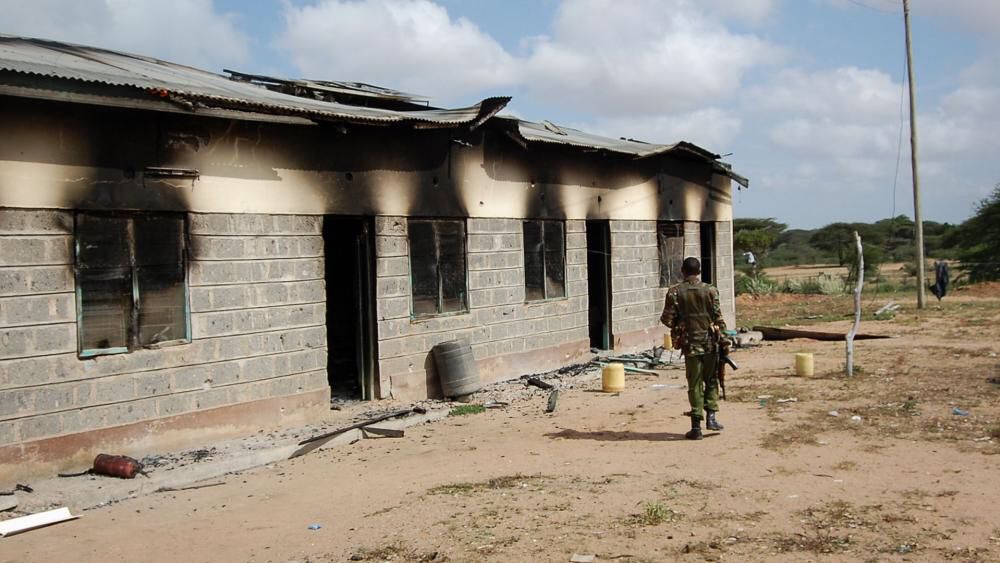
Tragic news is being reported out of Lamu West, Kenya after suspected al-Shabaab militants entered a village and brutally murdered six Christians.



During an interview with International Christian Concern (ICC), Pastor Stephen Sila, who witnessed the attack in Widhu village, described the terror that unfolded on Jan. 3.

“I counted seven houses that were torched down, four bodies of people burned beyond recognition inside the houses,” Sila said. “A body shot dead right outside a burned house and another beheaded body next to it. Other villagers escaped into the dark and the police are still looking for them.”

He continued, “It is an ugly sight of people’s bodies lying dead and houses smoking with fire. This is undeniably an awful terrorist attack.”

Pastor Sila said villagers have been asking why security officers are not doing more to protect Christians from these vicious attacks.

However, the head of the Lamu County police advised residents that authorities are actively looking for the terrorists, who may have returned to the nearby Boni Forest. 

“We are working on the issue,” the police official said. “We shall share more information soon, but we have cordoned off the area to piece the security information together, as well as go after the perpetrators of this heinous act.”
Source: CBN NEWS

Read more

How to start a Youtube Ministry

You need to understand that missions is not only about physical contact with the people you are sent to. YouTube has about 1.3 billion users across the world. The mission field is now online. One of the powerful tool in missions is video. It has a way of attracting people because of the visuals, sound, lighting, background and content. Be informed that the circular blogger is not concerned about the content of the video but rather quality, likes, comments, shares to get more followers or subscribers. Although these are good factors but it has nothing to do with ministry if the content is doesn’t lift high the name of the lord JESUS. Before you start, consider the following steps;

It’s expensive

You tube ministry is one of the most expensive ministries for missionaries. This is because of the quality visuals needed to attract viewers. Quality video cameras, beautiful background, lighting system and even the ‘’make ups” of the people who will do the speaking in the video. But be encouraged that as long the content is Christ; He will do the attraction even if you don’t have enough resources. Step into this ministry by faith!! We advice that you use whatever you have to start. Smart phones could be used for the start to get good videos and edit them as well.

Don’t be a jack of all trade

Approach this ministry with an open minded spirit. Be open to new interventions, applications and many others. Where you don’t have enough skills, don’t try to do it. Especially with the speaking, editing, sound, get more people on board to make the content rich and catchy.

Get a cool name or “brand”

The media industry is about branding to make your ministry unique and be easily identified. Can you think about any brand for your videos? This name should cut across board. This is because your target is not just believers but unbelievers to win them for the Lord.
We hope this little piece helped you to start something? Get ready for the second part of this article.

Read more

How To Start A Campus Ministry

Do you know that most ministries and missionary work start on campuses? I have had some of missionaries and church Leaders ask: How do I start a Campus Ministry? Here are some answers if you are interested in possessing the nations through campus ministry:
1: Identify a Spiritual Leader on the campus. Get some influencers on your side. There will be probably student unions on campuses. It could be religious or political. Whatever situation you find on that campus get the leader involved.

2: Share a vision and highlight the need. Every missionary know his or her mission. Make your vision clear enough for a novice to understand and let the people see themselves in that vision.

3. Navigate through College Administrations. This might be difficult. Especially on campuses where Christian fellowships are not allowed. Nevertheless do a lot of background checks before attempting this.

4. Discover available resources. Identify and unveil the talents and giftings in the students you meet on the campus. These talents are going to be the resources. Look beyond appearances and be discerning in this area. Discern the leadership ability in them; good organizers and event planners. Trust God for the resource to start the fellowship.

5. Establish relevant and catchy programs. Activities on campuses should be different from the “mother church”. Let the fellowship activities be youthful oriented but spirit filled.

6. Go on the campaign to recruit students. Use social media especially, a whatsapp group will be helpful to contact all the members. Ask them to bring their friends and trust God for the Holy Spirit to break through their hearts as they come.

7. PRAY and know how to deal with college students. They can easily drop you and walk away if you are not diligent and tactful. Drop “I am more spiritual, I am the boss” kind of attitude and simply be a friend. If they see authenticity, they’ll stick to God’s agenda being presented through you.

I hope this helps. Share to spread the “know how”.

Read more

Finnish Bishop and Politician Face Trial for LGBT Statements

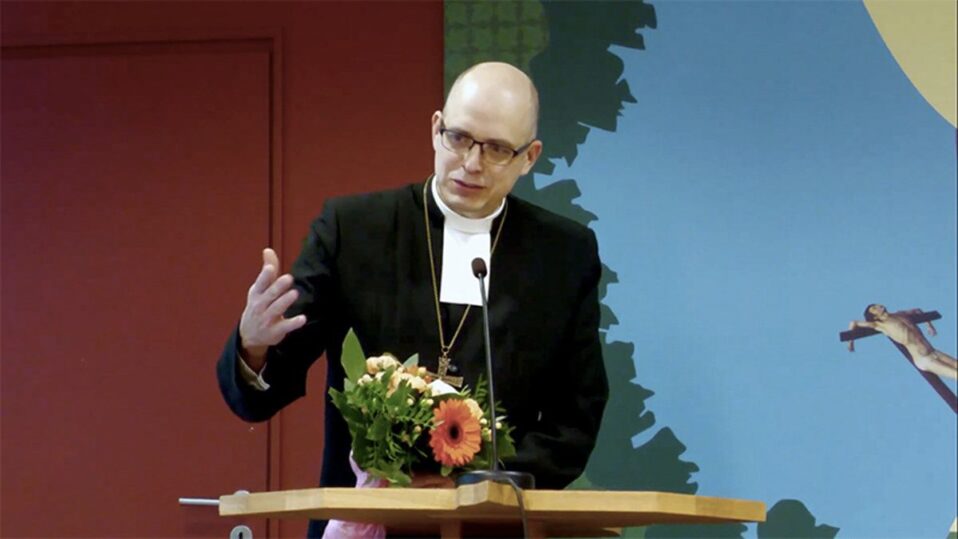
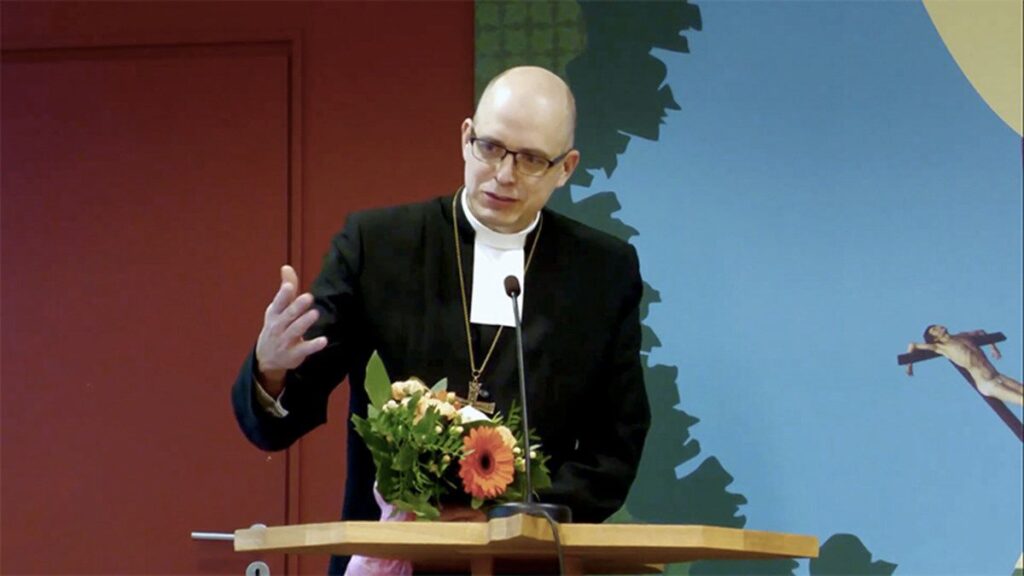
Some Finnish Lutheran leaders, their families, and a few politicians gathered under a tent in August 2021 for the elevation of Juhana Pohjola to bishop of the Evangelical Lutheran Mission Diocese of Finland (ELMDF). The canvas protected them from the summer sun, but as they celebrated Pohjola’s investiture, they worried about facing a different kind of heat. Pohjola, 49, and one of his guests, politician Päivi Räsänen, 62, are facing criminal charges. According to the nation’s top prosecutor, the two people are accused of violating the equality and dignity of LGBT people.

Juhana Pohjola

Though Finland has legal protections for free speech and the free exercise of religion, Prosecutor General Raija Toiviainen says Räsänen and Pohjola’s actions are criminal incitement against a minority group—hate speech. According to the prosecutor, Räsänen has fueled intolerance and contempt of LGBT people three times: in comments she made on a nationally syndicated talk show on Finnish state-supported radio; in a 2019 tweet where she quoted Romans 1:24–27 to criticize the Evangelical Lutheran Church of Finland (ELCF)—one of Finland’s two
national churches—for its affiliation with Helsinki Pride; and in a 23-page booklet that Räsänen wrote titled Male and Female He Created Them.

Pohjola is being charged for publishing Räsänen’s booklet, which argues against same-
sex marriage, contrasts LGBT identities with the Christian notion of what it means to be human, and describes same-sex attraction possibly as being inherently sinful and possibly the result of a “negative developmental disorder.” It was released in 2004 by Luther Foundation Finland, the legal entity behind the ELMDF. The bishop is not too worried for himself, but he does worry about the long-term impact if the courts rule that Räsänen’s quoting Romans and publishing a book about the Bible and sexuality are considered criminal incitement. “I do not so much fear the outcome of the court case,” he told CT, “but the strong signal it gives to many: to be silent. I fear self-censorship and intimidation.” The trial, due to begin on January 24, has stirred strong feelings in Finland. More
than 70 percent of Finns support same-sex marriage, which has been legal in the country since 2017, and many see defending the dignity of LGBT people as the critical civil rights issue of the day.

Source: Christianity Today

Read more